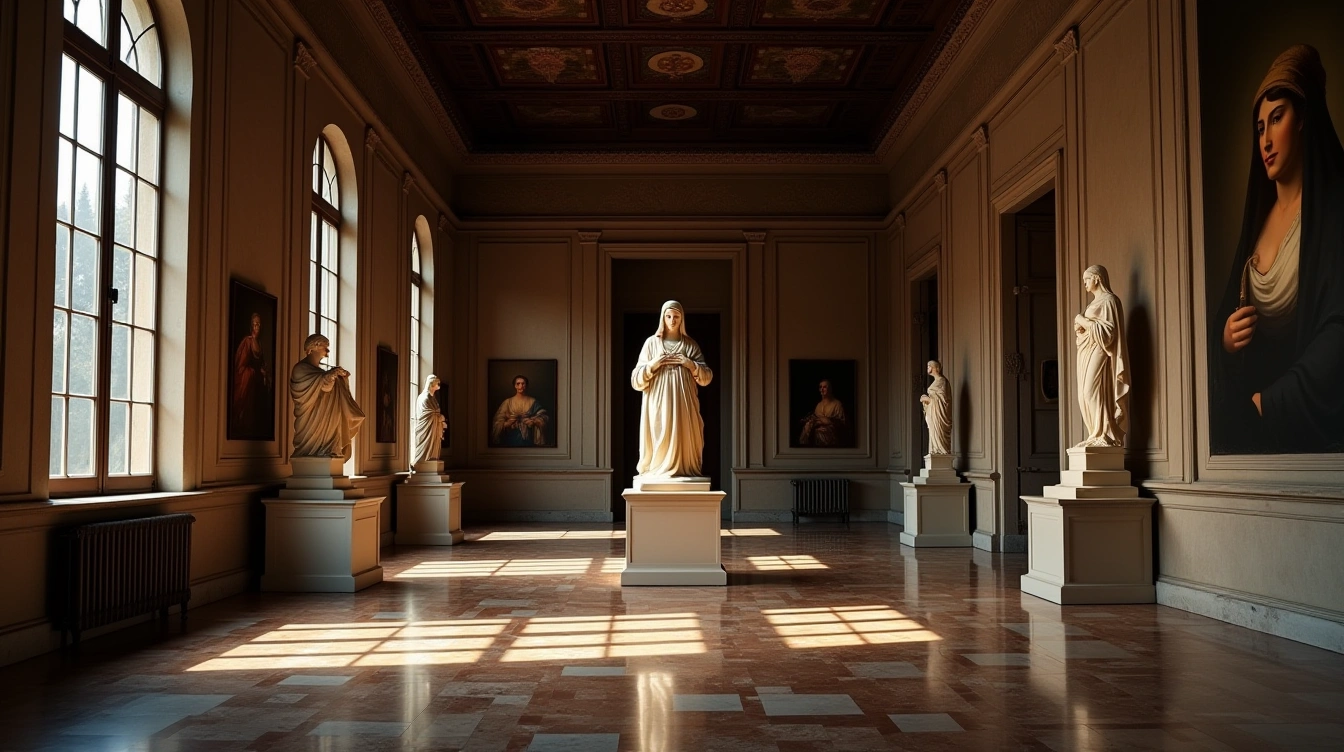
The Borghese Gallery houses one of the world’s most prestigious art collections, featuring masterpieces by Bernini, Caravaggio, and Titian. With over 500,000 visitors annually in 2024 according to Italian Ministry of Culture statistics, this villa remains Rome’s most coveted cultural experience. What makes this intimate museum so irresistible to art lovers worldwide?
A journey through the Borghese collection: masterpieces that define centuries
Stepping into the Borghese Gallery feels like traveling through five centuries of artistic evolution. The collection begins with Renaissance treasures, where Raphael’s “Deposition” showcases the period’s mastery of religious emotion and technical perfection. This work sets the stage for understanding how Italian art would transform over the generations.
Also to discover : How can you experience the thrill of traditional highland games in Scotland?
The Baroque era dominates the gallery’s heart, with Bernini’s sculptures creating an almost theatrical experience. His “Apollo and Daphne” captures the exact moment of transformation, where marble seems to breathe and move. Caravaggio’s revolutionary use of light in “David with the Head of Goliath” demonstrates how dramatic contrasts would forever change European painting.
The neoclassical period finds its voice through Canova’s “Pauline Borghese as Venus Victrix,” where idealized beauty meets technical virtuosity. Each artwork connects to the next, creating a narrative that spans from the High Renaissance through the early 19th century, making the Borghese Gallery an unparalleled artistic timeline housed within a single magnificent villa.
This might interest you : Compare eSim deals in Canada for hassle-free travel
Bernini’s sculptural genius: when marble comes alive
Gian Lorenzo Bernini transformed cold marble into living, breathing masterpieces that continue to mesmerize visitors centuries later. His revolutionary approach to sculpture revolutionized baroque art, creating works so lifelike they seem to pulse with emotion and movement.
Standing before Apollo and Daphne at the Borghese Gallery, you witness the exact moment of transformation as the nymph’s fingertips sprout delicate marble leaves. Bernini’s chisel captured not just form but the very essence of dramatic tension. Every muscle fiber, every fold of fabric, every strand of hair demonstrates technical mastery that borders on the miraculous.
The Rape of Proserpina showcases Bernini’s ability to render marble as soft as flesh. Pluto’s fingers appear to press into Proserpina’s thigh with such realism that visitors instinctively reach out, only to remember they’re viewing stone. This tactile illusion represents the sculptor’s greatest achievement: making viewers forget the material’s inherent hardness.
Experiencing these sculptures in person reveals details impossible to appreciate in reproductions. The play of natural light across marble surfaces creates shadows that enhance every contour, while the gallery’s intimate setting allows you to walk around each piece, discovering new perspectives with every step. When you visit Rome with borghese museum tickets, you’ll discover sculptures and paintings that have captivated audiences for centuries in an elegant 17th-century setting.
Essential planning tips for your cultural expedition
Visiting the Borghese Gallery requires careful preparation to make the most of your artistic journey. The museum operates on a strict reservation system that limits visits to two-hour time slots, ensuring an intimate experience with Bernini’s masterpieces and Caravaggio’s dramatic paintings.
Here are the key elements to plan your visit effectively:
- Advance booking is mandatory – tickets often sell out weeks ahead, especially during peak tourist season from April to October
- Choose morning slots (9:00-11:00 AM) for the best lighting conditions when viewing paintings and sculptures
- Allow the full two hours for your visit – rushing through diminishes the impact of works like Bernini’s “Apollo and Daphne”
- Audio guides are available in multiple languages and highly recommended for understanding the historical context
- Photography is permitted without flash, perfect for capturing memories of your cultural discovery
The gallery provides cloakroom services for bags and coats. Arrive 15 minutes early to complete entry procedures and begin your exploration with a clear mind focused on the artistic treasures awaiting you.
Beyond the galleries: exploring Villa Borghese’s architectural heritage
The Villa Borghese itself stands as a masterpiece of early 17th-century Roman architecture, designed by Flaminio Ponzio and later enhanced by Giovanni Vasanzio. Cardinal Scipione Borghese commissioned this suburban villa as both a private retreat and a showcase for his extraordinary art collection, creating an architectural dialogue between the building’s elegant facades and the treasures within.
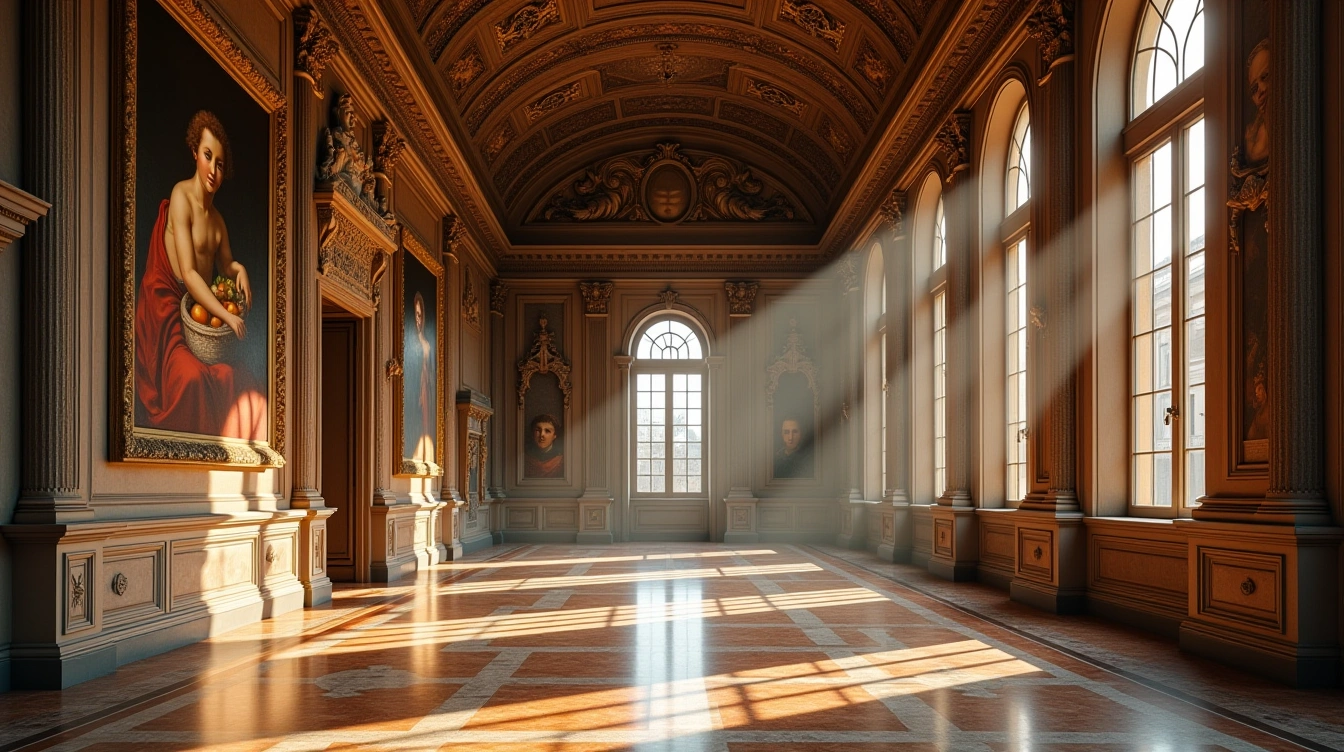
The villa’s neoclassical design reflects the sophisticated taste of Roman nobility, with its harmonious proportions and decorative elements perfectly complementing the baroque sculptures and Renaissance paintings housed inside. Each room was carefully conceived to enhance the viewing experience, with natural light streaming through strategically placed windows to illuminate masterpieces at optimal angles.
The surrounding parkland gardens extend the cultural experience beyond the museum walls. These manicured landscapes, dotted with ancient Roman sculptures and ornamental fountains, create a contemplative atmosphere that prepares visitors for the artistic journey ahead. The garden’s winding paths and shaded groves offer moments of reflection between gallery visits, making the entire estate a cohesive work of art that seamlessly blends architecture, nature, and cultural heritage.
Caravaggio’s revolutionary vision: light and shadow mastery
The Borghese Gallery houses some of Caravaggio’s most dramatic masterpieces, showcasing the revolutionary technique that transformed European painting forever. His groundbreaking chiaroscuro method creates theatrical contrasts between light and shadow that seem to illuminate subjects from within the canvas itself.
Among the gallery’s treasures, “Boy with a Basket of Fruit” demonstrates Caravaggio’s early mastery of naturalistic detail and luminous effects. The painting captures every texture with stunning precision while bathing the young figure in golden light that appears almost divine. This work exemplifies how Caravaggio elevated everyday subjects to sacred status through his innovative lighting techniques.
“Saint Jerome Writing” reveals the artist’s mature style at its peak. The elderly saint emerges from deep shadows, his weathered hands and concentrated expression rendered with remarkable psychological intensity. Caravaggio’s ability to combine spiritual themes with raw human emotion revolutionized religious art and influenced countless baroque masters across Europe.
These paintings represent essential viewing for understanding how one artist fundamentally changed the course of Western art through revolutionary visual storytelling.
Your Borghese Gallery questions answered
What are the must-see artworks at the Borghese Gallery in Rome?
Bernini’s Apollo and Daphne, Caravaggio’s Boy with a Basket of Fruit, and Canova’s Pauline Borghese are absolute highlights. Don’t miss Bernini’s David and The Rape of Proserpina for their incredible marble craftsmanship.
How do I book tickets for the Borghese Museum in advance?
Book online through the official website or authorized tour operators. Reservations are mandatory and must be made at least 2-3 weeks ahead during peak season. Tickets include specific entry times.
What is the best time to visit the Borghese Gallery to avoid crowds?
Early morning slots (9:00-11:00 AM) or late afternoon sessions offer fewer crowds. Weekdays are generally less busy than weekends. Winter months provide the most comfortable visiting experience overall.
How long should I plan to spend at the Borghese Museum?
Plan 2 hours minimum for your visit. The mandatory reservation system allows exactly 2 hours inside. This gives you adequate time to explore both floors and appreciate the masterpieces without rushing.
What sculptures by Bernini can I see at the Borghese Gallery?
Bernini’s four masterpieces await: Apollo and Daphne, David, The Rape of Proserpina, and Aeneas and Anchises. These baroque sculptures showcase his unmatched ability to capture motion and emotion in marble.